
Pomegranate 石榴 Feng Shui Plant: Meaning, Benefits & Plant Care Guide

Updated: 11 minutes ago

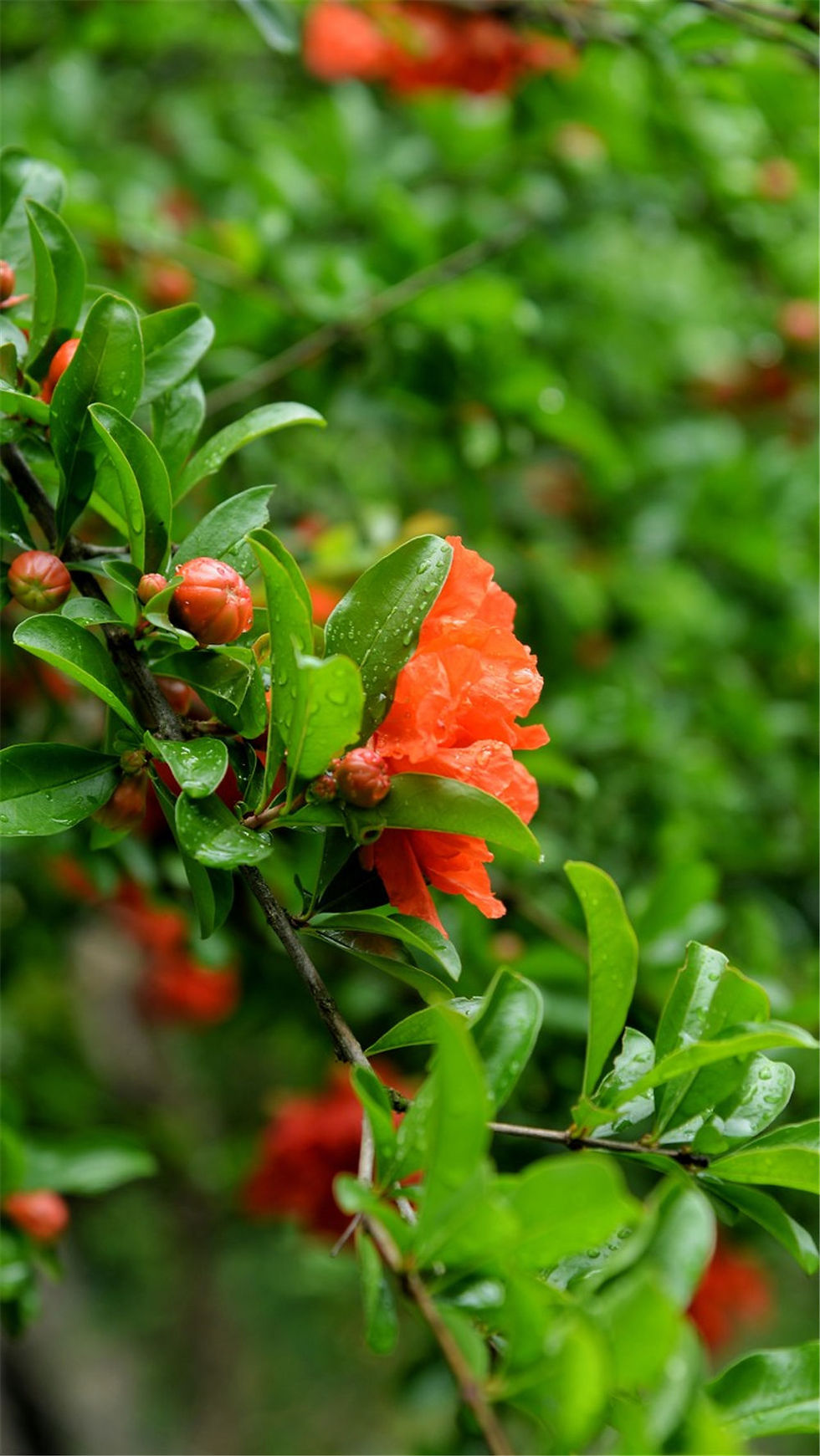
The Pomegranate 石榴 is one of the most symbolic plants in traditional Chinese culture. With its vibrant red flowers, red fruit and abundance of seeds, the pomegranate has long been associated with prosperity, fertility, family abundance, happiness and protection.
For this reason, the pomegranate plant is also considered an auspicious Feng Shui plant for the home.
But there is more to its symbolism than simply calling it a "lucky plant." Its flowers, fruit, colour and seeds each carry a different traditional meaning.
What Does Pomegranate Symbolise in Feng Shui?
The pomegranate is traditionally associated with:
Prosperity and abundance
Fertility
Many descendants
Family growth
Happiness
Vitality
Protection
One of the most important traditional associations is:
多子多福
This can be understood as "many children, many blessings."
The symbolism comes from something very simple—the large number of seeds contained within a single pomegranate.
As a result, pomegranates frequently appear in traditional Chinese artwork and auspicious imagery relating to marriage, fertility and family prosperity.
1. Pomegranate Symbolises Family Abundance
Cut open a pomegranate and you immediately understand why it became such a powerful symbol.
One fruit can contain hundreds of seeds.
Traditionally, these numerous seeds came to represent many descendants and the continuation of the family line.
This is why pomegranates became particularly meaningful in traditional marriage and family symbolism.
However, in a modern Feng Shui context, I would interpret this more broadly.
Not everyone defines a prosperous family by the number of children they have.
The pomegranate can therefore represent:
A flourishing family, strong relationships and blessings that continue from one generation to another.
This allows us to appreciate the traditional symbolism while applying it meaningfully to modern families.
2. Red Flowers Represent Happiness and Prosperity
Another reason the pomegranate became auspicious is its colour.
Pomegranate plants produce striking orange-red to red flowers, while the mature fruit of many varieties also develops reddish tones.
In Chinese culture, red is strongly associated with celebration, happiness, prosperity and auspicious occasions.
This combination of vibrant flowers and abundant fruit reinforces the pomegranate's traditional connection with a flourishing household.
From a Five Element perspective, red is also associated with the Fire element 火.
Fire represents qualities such as visibility, warmth, activity and expression.
This makes the pomegranate visually very different from Feng Shui plants chosen primarily for their green foliage.
3. Pomegranate Represents Fertility and New Life
Because of its abundance of seeds, the pomegranate became one of the traditional symbols associated with fertility and descendants.
Images of pomegranates may therefore appear in traditional Chinese wedding decorations, paintings and auspicious designs.
Sometimes the fruit is depicted partially opened so that the many seeds inside are clearly visible.
The message is straightforward:
May the family flourish and continue to grow.
Today, this symbolism can also be understood beyond literal fertility.
Seeds represent potential.
They can remind us of new projects, ideas, relationships and opportunities that need to be nurtured before they can grow.
4. Pomegranate and Protective Symbolism
Pomegranate plants have also acquired associations with protection and warding away negative influences in Chinese folk traditions.
In Singapore and other parts of Southeast Asia, some Chinese communities may associate the plant with traditional protective practices.
However, I would distinguish cultural or folk beliefs from Feng Shui principles.
Rather than saying that a pomegranate plant automatically "chases away evil," a more practical Feng Shui interpretation is that its vibrant flowers and living energy can contribute to an environment that feels active, healthy and full of life.
A plant should support the environment rather than become something we fearfully depend upon.
5. Pomegranate Represents Prosperity Beyond Money
Prosperity in Feng Shui does not always have to mean money.
A pomegranate filled with seeds is a powerful visual representation of abundance.
That abundance can represent:
Family + Relationships + Opportunities + Resources + Growth
This is an important distinction.
A prosperous household is not simply one with more money. It can also be a household with good relationships, sufficient resources, supportive people and opportunities for the next generation.
The pomegranate's symbolism works particularly well from this perspective.
Where Should You Place a Pomegranate Plant for Feng Shui?
Pomegranate can be an attractive plant for gardens, balconies, patios and suitable entrance areas, provided it receives sufficient sunlight.
There is no universal direction where everyone should place a pomegranate plant.
In Feng Shui, the correct position depends on factors such as the property's facing direction, surrounding environment, layout and purpose of the space.
As a general guideline:
Choose a location with sufficient sunlight.
Keep the plant healthy and vibrant.
Avoid blocking the main entrance.
Do not allow an overgrown plant to obstruct pathways.
Remove dead or unhealthy branches.
Choose a pot and plant size proportionate to the space.
Give the plant enough room to develop naturally.
Remember:
An auspicious plant in the wrong place does not automatically create good Feng Shui.
Placement and proportion still matter.
Pomegranate Plant Care Guide
Common Name: PomegranateChinese Name: 石榴Scientific Name: Punica granatum 'Nana'Family: LythraceaePlant Type: Compact flowering and fruiting shrub
About Punica granatum 'Nana'
Punica granatum 'Nana' is a dwarf pomegranate variety.
Compared with standard pomegranate trees, it grows as a smaller, bushier and more compact shrub, making it particularly suitable for ornamental planting and container growing.
It is known for its narrow, glossy leaves and attractive orange-red flowers.
Its smaller size also makes it more practical for homes where space is limited.
Local Name: Xia Liu Hua
In Singapore and parts of Southeast Asia, you may hear pomegranate referred to by local Chinese or dialect names.
石榴花 literally means "pomegranate flower."
Because Chinese dialect pronunciations vary, the exact local pronunciation can differ between communities.
The plant has traditionally been valued not only for its colourful appearance but also for its auspicious cultural associations.
Light Requirements
Full sun to partial sun
Good sunlight is particularly important if you want healthy growth, flowering and fruit development.
For a flowering plant, insufficient light may result in healthy-looking foliage but fewer flowers.
Watering
Pomegranate requires regular watering, particularly when grown in containers.
Check the soil regularly and water thoroughly when necessary.
Avoid allowing the plant to remain completely dry for prolonged periods, but also ensure that the pot has adequate drainage.
Consistently waterlogged soil can create problems for the root system.
Fertilising
Apply an appropriate all-purpose or flowering plant fertiliser periodically during active growth.
For container-grown plants, fertilising approximately once a month may be appropriate depending on the product, plant condition and growing environment.
Always follow the recommended application rate of the fertiliser being used.
Trimming and Maintenance
Use clean secateurs to remove:
Dry leaves
Brown or yellowing foliage
Dead branches
Damaged growth
Unwanted shoots
Light pruning can also help maintain the compact shape of dwarf pomegranate plants and improve airflow through the foliage.
Avoid unnecessary cutting of healthy roots unless you are carrying out proper root pruning or repotting.
From a Feng Shui perspective, regular maintenance is also meaningful.
If the pomegranate represents growth, vitality and abundance, then keeping the
plant healthy reflects that symbolism much better than simply owning an auspicious species.
Is Pomegranate a Good Feng Shui Plant?
Pomegranate is a meaningful Feng Shui plant for the home because its symbolism has deep roots in traditional Chinese culture.
Its red flowers represent happiness and auspiciousness.
Its many seeds represent abundance and descendants.
Its fruit represents the results that come from growth.
Its overall vitality represents a flourishing household.
But I would not describe the pomegranate as a magical plant that automatically creates wealth, children or good luck.
Instead, consider three things:
Symbolism + Environment + Action
The symbolism gives the plant meaning.
The living plant contributes to the environment.
Your actions determine how your family, relationships and opportunities actually develop.
The Deeper Feng Shui Lesson of the Pomegranate
Perhaps the most interesting Feng Shui lesson from the pomegranate is hidden inside the fruit.
From the outside, you see one fruit.
Open it, and you discover hundreds of seeds.
That is a beautiful representation of abundance.
One opportunity may create many more opportunities. One relationship may connect you with many people. One good decision may benefit several generations.
That is why the pomegranate has remained such a powerful symbol of family, abundance and blessings in Chinese culture.
Good Feng Shui is not simply about attracting more. It is about creating an environment where what you already have has the opportunity to flourish.


Comments