
Why Feng Shui Must Come Before Interior Design?

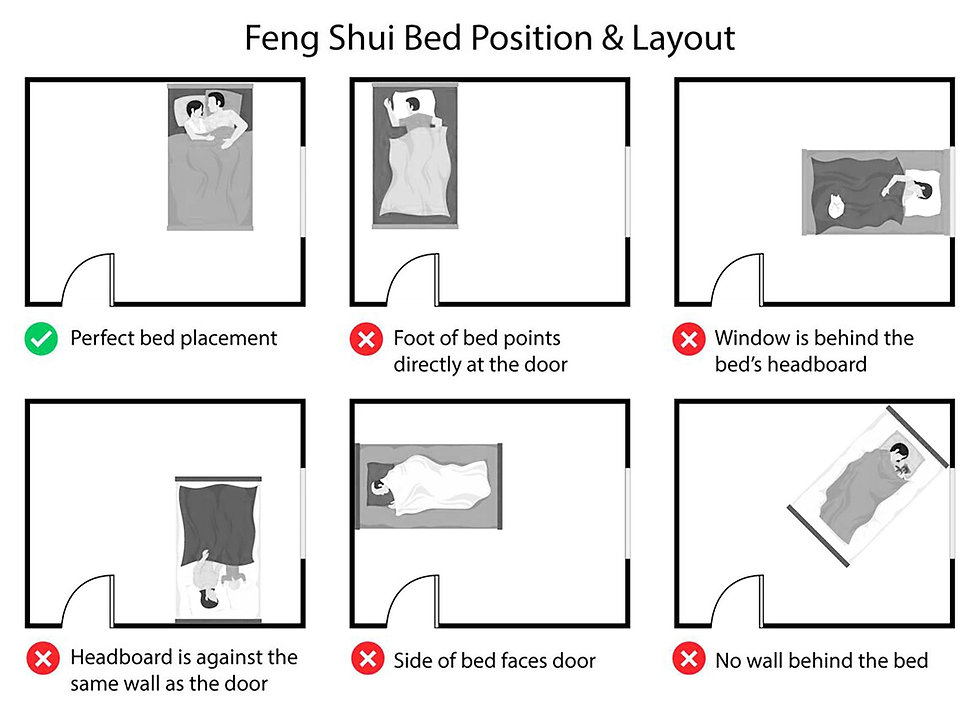
Feng Shui is often misunderstood as a decorative layer added at the end of a renovation. In reality, it is a structural system that determines how a space functions through positioning, orientation, and the flow of energy (气). Before any design concepts, materials, or colours are introduced, Feng Shui defines how the space should be arranged to support the people living or working within it. It determines where the main door can activate opportunities, how the bedroom layout influences rest and relationships, whether the kitchen supports or drains wealth potential, and how a workspace impacts clarity, decision-making, and performance over time.
At Won Yan Feng Shui Consultancy, this principle is applied from the very beginning of every project. Instead of treating Feng Shui as an afterthought, the process starts with a detailed analysis of both the property’s orientation and the individual’s BaZi (八字). This ensures that the layout is not just generally “good,” but specifically aligned to the occupant’s personal energy structure and life direction. From there, key elements such as room placement, bed positioning, stove location, and work areas are strategically planned before any renovation work begins.
Interior design then comes in to enhance and execute what has already been correctly structured. Without this sequence, many homeowners unknowingly lock themselves into layouts that limit growth, requiring compromises or superficial fixes later on. By integrating Feng Shui at the planning stage, Won Yan Feng Shui Consultancy works alongside designers and contractors to ensure that every design decision supports long-term outcomes—not just immediate visual appeal.
Ultimately, interior design shapes how a space looks, but Feng Shui determines how it performs over time. When both are aligned from the start, the result is not just a beautiful home or office, but a space that actively supports clarity, stability, and sustained progress.


Comments