
Why We Need to Change Our Mindset About Feng Shui—Especially as Homes Get More Expensive
- Jason Chan

- Feb 20
- 3 min read

Feng Shui (風水), the ancient dialogue between humans and their surroundings, teaches us that every space carries a rhythm — an unseen current of qi (氣) that shapes how we feel, think, and live. When this current flows harmoniously, life unfolds with ease and clarity.
Yet in today’s fast-paced cities, where homes grow smaller and housing prices climb higher, the way we practise Feng Shui must evolve. Harmony is no longer measured by perfect symmetry or textbook placements, but by how meaningfully we live within the space we call home.
The Reality of Rising Housing Costs
As properties become less attainable and layouts more compact, we are invited to rethink what “good Feng Shui” truly means. The essence of Feng Shui has always been about balance — between form and function, dreams and limitations, Heaven and Earth.
1. Prioritizing Flow Over Perfection
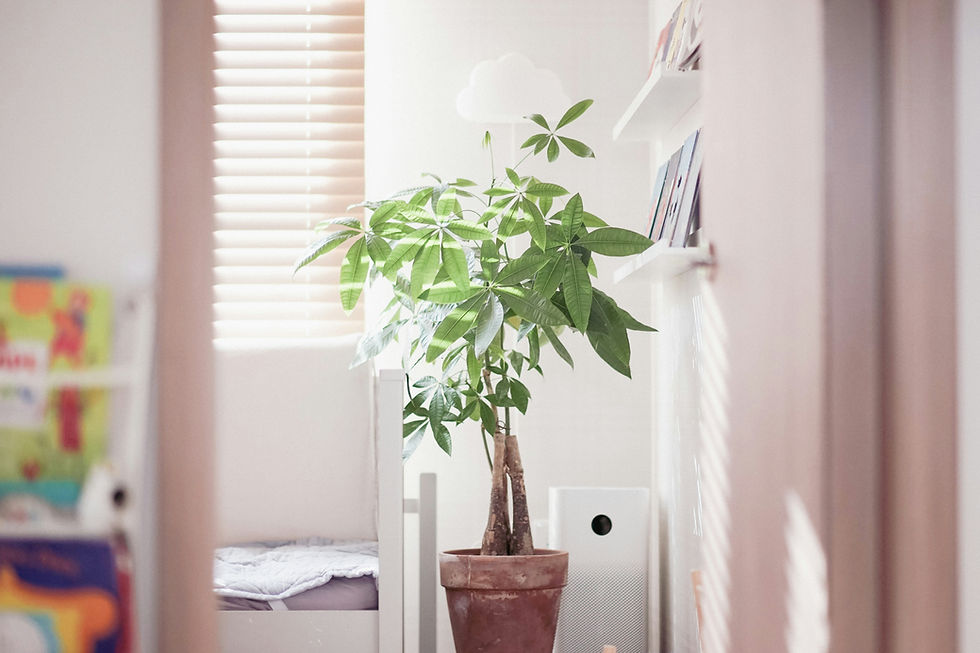
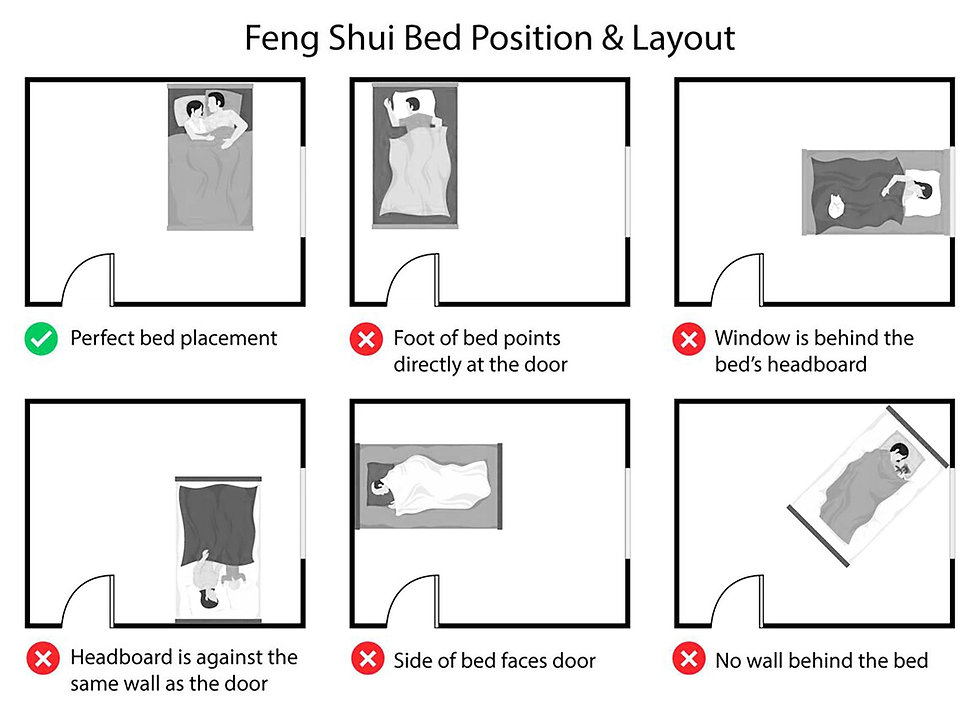
Not every home can face its ideal direction, nor every bed align with its auspicious angle. Yet energy can still flow gracefully when intention and awareness guide design. Open pathways, natural light, and mindful placement breathe vitality into even the smallest spaces.
2. Personalizing the Practice
True Feng Shui is never one-size-fits-all. Each household carries its own rhythm — shaped by the lives, habits, and aspirations of its occupants. The art lies in weaving classical principles into your personal story, allowing your home to mirror who you are becoming, not just who tradition expects you to be.
3. Bridging Tradition and Modern Living
Smart homes, minimalist interiors, and open concepts are the language of modern design. Rather than resist these innovations, Feng Shui invites us to harmonize them — softening the sharpness of technology with warmth, grounding sleek designs with elements of nature. In doing so, we allow modernity and ancient wisdom to coexist beautifully.
The Beauty of a Flexible Feng Shui Mindset
When we release rigidity and embrace adaptation, Feng Shui becomes a living art — one that moves and grows with us.
1. Cultivating Inner and Outer Harmony
A personalized Feng Shui approach turns a house into a sanctuary. It nurtures not only physical comfort but also emotional peace, helping us rest, reflect, and recharge amidst life’s constant motion.
2. Awakening Creativity and Joy
Flexibility opens the door to inspiration. By experimenting with balance and aesthetics, we discover unique ways to express our energy — a quiet corner that sparks reflection, a splash of color that reignites passion, a gentle curve that softens the spirit.
3. Creating Freedom Through Awareness
Understanding that harmony can be found anywhere dissolves the pressure to chase perfection. Whether in a humble flat or a spacious residence, true prosperity arises from alignment — not luxury.
Conclusion: Returning to the Heart of Feng Shui
The heart of Feng Shui has never been about rules — it has always been about relationship. A relationship with space, with nature, and most profoundly, with self.
As our cities change and our homes transform, may we remember: Feng Shui is not confined by walls or square footage. It is the art of living consciously — arranging our surroundings so that the energy around us supports the energy within us.
When we live in this awareness, every home — no matter its size or cost — becomes a place of balance, grace, and quiet power.
Comments