
Lesson from 灶神, the Kitchen God

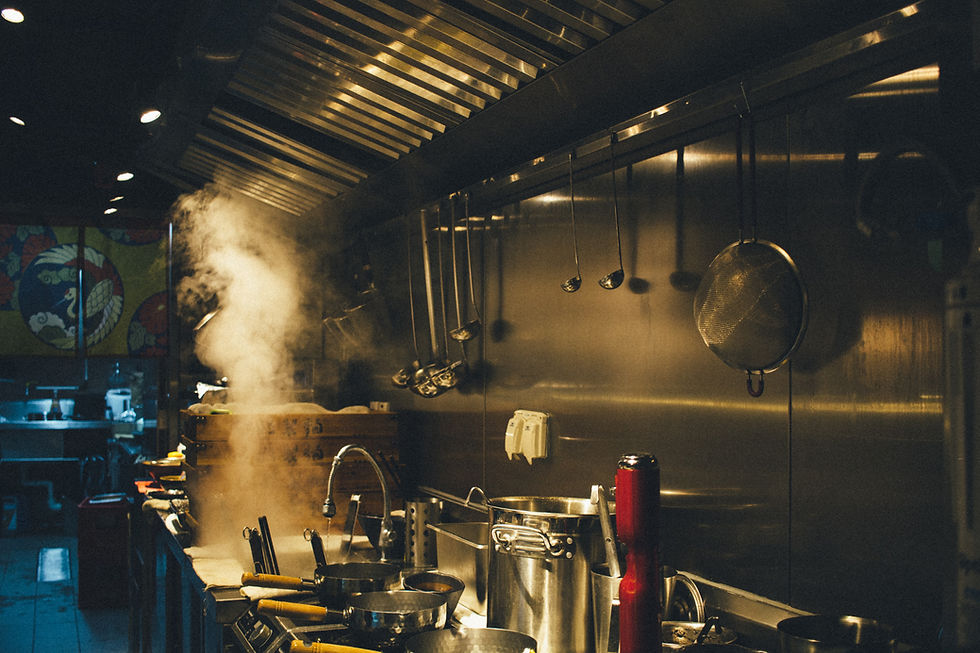
灶神, the Kitchen God, is one of the most widely revered deities in Chinese folk beliefs. In ancient times, every household, from emperors to commoners, worshipped him. The worship of the Kitchen God originated from early humans’ 火崇拜 (fire worship) and 太阳崇拜 (sun worship). As ancient texts say, “炎帝作火,死而为灶” — “Emperor Yan created fire and became the Kitchen God after his death.” Other early Kitchen Gods included 黄帝 (the Yellow Emperor) and 祝融.
Over time, the Kitchen God evolved into a 小神 (minor deity) dispatched by 天帝 (Tiān Dì, the Celestial Emperor) to oversee households. This transformation led to new legends about his origins. By the 汉代 (Han Dynasty), the Kitchen God had become a fully 人格化 (anthropomorphized) and 社会化 (socialized) deity. One account states: “灶神姓苏名吉利,妇姓王名博颊” — “The Kitchen God’s surname is Su, and his given name is Jili, while his wife’s name is Wang Bojia.” Another says, “灶神名隗,状如美女” — “The Kitchen God is named Wei and resembles a beautiful woman.”
The Kitchen God is regarded as “一家之主” (the master of the household), overseeing 福祸灾祥 (fortunes and misfortunes) and 衣食来源 (sources of sustenance). At the same time, he monitors human behavior and reports transgressions to heaven (上告于天). This dual role made him both revered and feared, earning him a complex reputation.
Lessons from Kitchen God Worship
1. Acknowledging Responsibility in the Household
The Kitchen God, as the “master of the household,” symbolizes the importance of responsibility, care, and oversight in one’s home. This teaches us the value of playing a proactive role in maintaining harmony and well-being in our personal spaces.
Modern Application:
In today’s society, this translates to taking ownership of family matters, practicing active communication, and fostering a nurturing environment within one’s home or workplace. Parents, for example, can see themselves as modern-day guardians who ensure their families’ growth and unity.
2. Balance Between Reverence and Accountability
The Kitchen God’s dual role—offering blessings and reporting misdeeds—highlights the balance between grace and accountability. It suggests that while we seek good fortune, we must also confront our shortcomings and take corrective action.
Modern Application:
This philosophy can apply to personal growth and professional settings. For instance, leaders can embrace a balance between rewarding achievements and addressing areas for improvement. On a personal level, it’s a reminder to self-reflect and learn from mistakes while striving for success.
3. Seasonal and Ritual-Based Living
The rituals tied to Kitchen God worship, such as the preparation of offerings and the timing of sacrifices, reflect the ancient wisdom of aligning with natural cycles and seasons.
Modern Application:
This principle can encourage individuals to live mindfully and align their lives with natural rhythms, such as taking breaks, honoring seasonal changes, or adopting rituals that promote self-care, like meal preparation or gratitude practices.
4. Community and Shared Tradition
Kitchen God worship brought families and communities together to partake in shared traditions. It underscores the importance of connection and collective rituals in fostering unity.
Modern Application:
In an increasingly digital world, this serves as a reminder to create shared moments with family and friends—whether through celebrations, communal meals, or participating in cultural events.
Applying the Philosophy of the Kitchen God to Modern Society
1. Sustainability and Gratitude for Resources
The Kitchen God’s role in overseeing sustenance emphasizes the value of food and resources. This encourages us to adopt sustainable practices, reduce waste, and appreciate the effort behind what sustains us.
Example:
Modern households can implement zero-waste practices, composting, and mindful consumption to honor this principle.
2. Accountability in Leadership
Leaders and public figures can emulate the Kitchen God’s role by fostering transparency and responsibility in their actions while nurturing the well-being of those they serve.
3. Honoring Cultural Heritage
Preserving and participating in cultural traditions, like a modern reinterpretation of Kitchen God worship, helps maintain a sense of identity and history. This could involve sharing traditional stories, cooking meals that reflect ancestral customs, or teaching younger generations about cultural values.
4. Integration of Rituals for Mental Health
Rituals associated with the Kitchen God offer a psychological benefit by creating structure and moments of reflection.
Modern Equivalent:
Practicing mindfulness rituals, such as lighting a candle before dinner or expressing gratitude for the day’s blessings, can help anchor people in the present and foster mental clarity.
The Philosophical Legacy of the Kitchen God
The Kitchen God embodies the essence of human connection to home, responsibility, and the divine. His story reminds us that balance, accountability, and reverence for life’s blessings are timeless values. By adapting these principles to modern life, we not only preserve an important part of cultural heritage but also enrich our understanding of what it means to lead a meaningful and harmonious existence.


Comments